The Uncertain Future of California's Storied Apple Farms
- Aug 9, 2026
When Jake Mann’s great-grandfather sowed the first seed in his orchard in Pajaro Valley, California was a very different place. Women had only recently secured the right to vote and Prohibition was the law of the land. Fast forward over a century, and California is now the agricultural powerhouse of the U.S., claiming close to 14,000 acres of productive apple farms, pulling in revenue topping $105 million annually and earning the title of the country’s fifth-largest apple producer.
However, a recent shift in the industry could shake up this apple-cart. Over the last twenty years, key fruit firms, once the foundation of California's agricultural economy, have either winded up their operations in the state or moved to Washington. This includes household names like the J.M. Smucker Company and Del Monte Foods. The trend continued when Manzana Products, which has spent a hundred years churning apples into juice, vinegar, and applesauce, announced plans to move its Sonoma County processing plant to Washington by 2027.
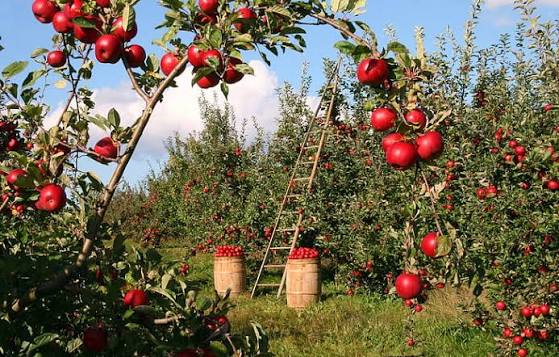
Among those affected by this shift is Jake Mann, a fifth-generation apple farmer in Watsonville. He owns Five Mile Orchard, a farm known for its selection of 17 apple varieties predominantly of the Newtown Pippins type. It has supplied apples to S. Martinelli & Company, the world's largest producer of sparkling apple cider, for around three decades. Martinelli's, though deeply rooted in Watsonville apple production for over 150 years, began informing apple farmers in 2025, including Mann, that several contracts would not be renewed.
Though the company states support for Pajaro Valley apple growers, its commitment to top-quality products has led to some contracts being discontinued where fruit quality inconsistencies occur. This assertion hasn't been taken lightly by some experts who advocate for California apple flavor over those from other states. "Hands-down, the flavor is significantly better," argues California representative for the American Cider Association, Tom Hart.
The problems facing California apple producers extend beyond contract negotiations. Rising administrative and labor costs, coupled with increasing electricity and fuel prices, have put significant strain on farm operations. Add to this the climate change impacts and new state regulations for groundwater usage, and the plight becomes quite stark.
Still, apple consumption remains high in America, averaging 45 pounds per person annually. Despite this, many farmers, in the absence of contract security, are uprooting their apple orchards and switching to more lucrative berries instead. "If you want to make money off your land, it's going to have to be in berries," Mann comments.
While the allure of cashing in is tempting, Mann and Hart firmly believe in preserving the heritage started by their ancestors. “You don’t want to lose something like that. It would really be a travesty if, down the road, that’s lost, and it’s talked about as a memory as opposed to living trees," Hart stresses. As these agriculturalists confront their uncertain future, they are fighting to ensure that the rich history of California apple farming remains more than just a memory.