Discovering Salabat - The Traditional Filipino Ginger Tea
- Sep 9, 2025
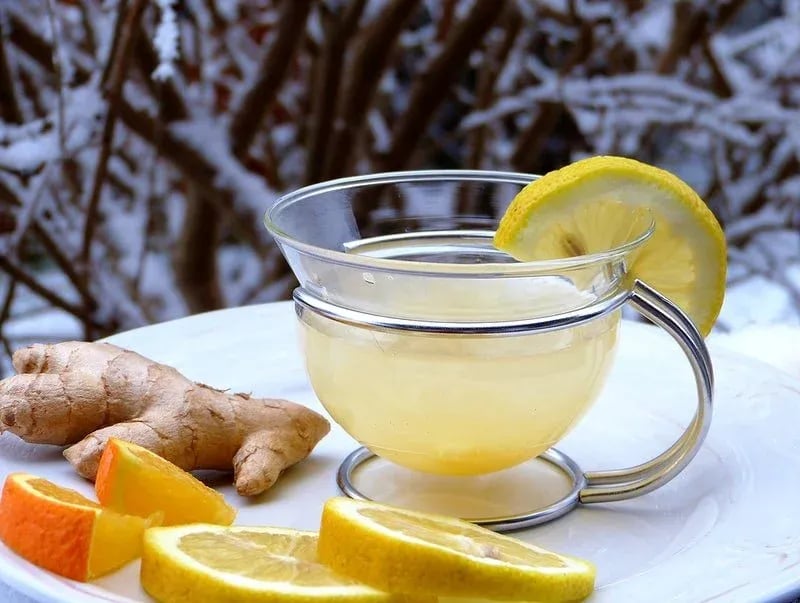
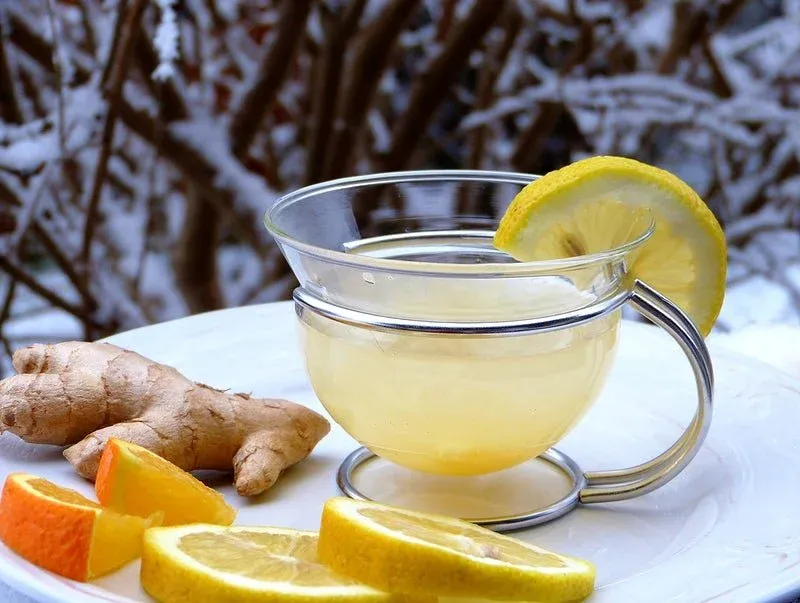
Known as a cure-all in the Philippines, salabat is a hot ginger tea that is held in deep reverence in the country. The word “salabat” is believed to have its roots in the Malay term “serbat,” a reference to traditional drinks made with spices, and also draws from the Arabic word "šarba," which translates to “a drink”. Be that as it may, the exciting element of salabat is that it specifically calls for fresh ginger.
Originating in Southeast Asia about 5,000 years back, ginger resonates with a medicinal aura, finding widespread use across Asia. However, the Philippines takes it a notch higher, with Filipinos consuming ginger tea with remarkable intensity. Virginia Beach-based restaurant owner, Emma Dizon of Only at Renee’s, swears by salabat, savoring it any time of the day. Her love for spicy salabat, made from fresh ginger boiled in hot water, infuses daily routine with a distinctive flavor.
While everyone has their preferred rendition of salabat, fresh ginger remains a non-negotiable ingredient. While some may use thin ginger slices, others, like Mia Orino, co-founder of Atlanta’s Kamayan ATL restaurant, prefer a more intense flavor and use crushed ginger. Honey is a commonly preferred sweetener with calamansi, a citrus fruit dominant in the Philippines, often added in.
For many Filipino-Americans such as Dizon, the memory-infused flavor of salabat is what resonates deepest. This tea is more than just a soothing drink; it symbolizes nostalgia and a heartfelt connection to her heritage. The significance is such that her own restaurant pays homage to her mother, Renee, who served salabat at her original restaurant in Queens, New York.
But Orino's love for salabat isn’t limited to when she is ill. It is a nostalgic reminder of simpler times, and a testament to her firm belief in the health benefits of ginger. In spite of its popularity among Filipino-Americans, salabat remains an uncommon find in Filipino restaurants in U.S. It seems that salabat is best savored in the coziness of one's home, harking back to the familiar sight of a pot simmering in a Filipino kitchen.
Traditionally, salabat is served hot, regardless of the weather. In the U.S., however, iced versions of the tea have become popular, served by Dizon and Orino at their respective restaurants. At The Boiis Co., a mochi bakery in New York City, iced salabat is a crowd pleaser. Furthermore, this bakery-cum-pop-up-shop even plans to make its unique, spicy, fizzy salabat syrup available for nationwide shipping.
Nonetheless, it's not only Filipinos who have taken a liking to salabat. The traditional drink has become a tourist hit, with customers from all over the U.S. developing a taste for it. Dizon frequently ships out salabat ingredients to customers in other states craving for a sip of comfort. At Orino's Kamayan ATL, the salabat is usually free although it may come at a small price ($1.50) due to rising costs. But that doesn't stop her from sharing the salabat love, especially on community meal days. As she says, her goal is to let as many people as possible have a taste of salabat.