Savor the Best Offbeat Rosés for Your Holiday Table
- Dec 5, 2025
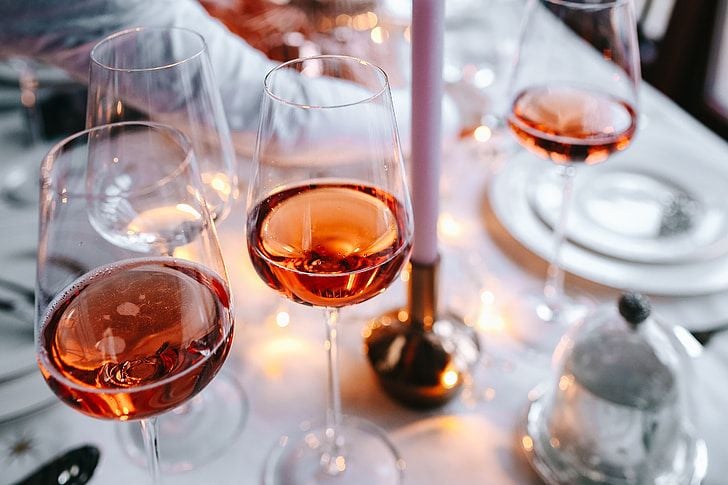
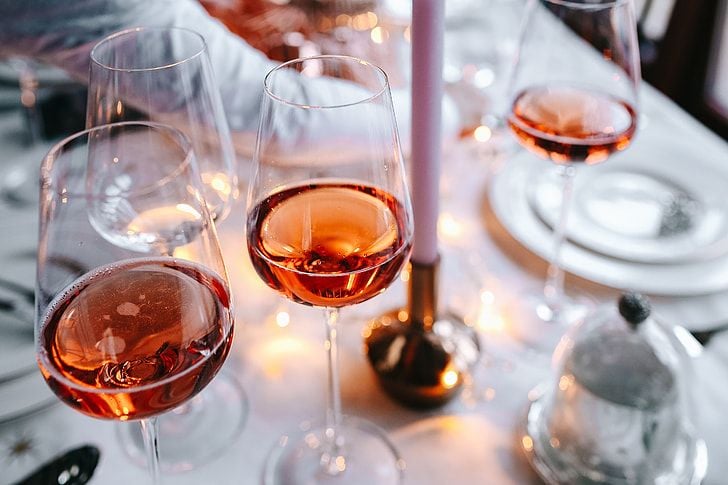
Often perceived as a delicate companion for summertime picnics and pool parties, rosé wine has much more to offer than its stereotypical image suggests. In fact, it encompasses a spectrum of flavors, textures, and structures that deserve a spot on your holiday feast.
While there's no fault in favoring lighter versions that harmonize beautifully with a turkey and cranberry pairing, rosé's category extends far beyond the norm, particularly for those who are keen to explore the darker side of this versatile wine.
To truly step out of the Provence-inspired rosé mold, reach for the darker-hued rosé from Tavel, France. Nestled to the west of Châteauneuf-du-Pape in the southern Rhône, Tavel is imbued with winemaking traditions that span two millennia. Primarily using Grenache, Syrah, and Mourvèdre, Tavel was famed for its lighter style-a vin de plaisir, or a pleasing and ready-to-drink wine. This still holds true today, making its richly flavored, strawberry, and cranberry rosé, containing the perfect balance of tannin, an exceptional match for a Thanksgiving spread.
One trivia to share over your festive dinner is that Tavel was among the pioneers of France’s Appellation d’Origine Contrôlée (AOC) and remains the sole appellation devoted entirely to rosé. Its excellent reputation earned endorsements from French King Philippe le Bel, Pope Innocent VI, and even writer Ernest Hemingway.
For further exploration into unusual rosé territory, try wines from Valle de Guadalupe, Mexico. A relatively new wine region, the lack of strict appellation rules means that their rosés tend to be adventurous, vary in texture, and pair well with food. Reds like Tempranillo and Nebbiolo, which lend intensity and depth to wines, are common here. Rioja, Spain, holds similar practices with its dark, full-bodied Tempranillo-based rosados.
What makes rosé truly remarkable is its adaptability-it can be produced from any red grape in any region. If you're a fan of Cabernet Sauvignon, you can find rosé versions from Cab-focused regions such as Napa or the Columbia Valley. In these regions, it's common to find producers using the saignée method to create rosé. After a short period of skin contact, some of the juice is bled off, resulting in a robust, structured rosé and also concentrates the remaining juice that is destined for red wine.
More powerful red-producing regions often employ this approach, unlike Provence, where the rosé is made with quick macerations that result in a wine finished like a white. Grapes like Cabernet or Syrah, naturally boasting thicker skins, often yield rosés that are more substantial and structured.
With the surge in orange wine’s popularity, some rosé makers are borrowing the techniques to derive unique flavors and a more tactile mouthfeel. If you see en tirage written on the label, the wine has been aged bottle on lees after fermentation giving it a creaminess along with subtle notes of brioche or pastry. This method is popular in sparkling wines, especially méthode ancestrale in which the lees are left in the bottle. Some still rosés also partake in this method.
Some of the best rosé styles to sample at the Thanksgiving table range from pale Provencal-style rosés to the almost red, deeply complex rosés from Mexico, offering a array of flavors and textures that will delight every palate at your holiday gathering.