The High-Minded High-Brow: The Resurgence Of Private Dining Clubs
- Dec 13, 2025
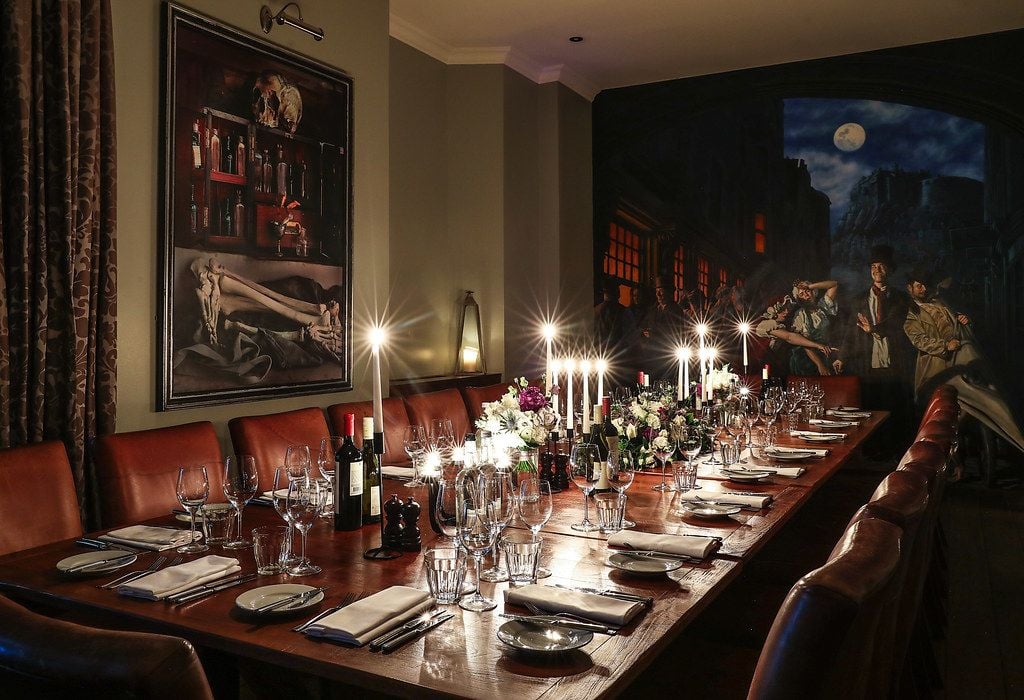
Back in 1893, where the Gilded Age was at its peak, the streets of New York City were graced by nearly 120 clubs where the wealthy and prominent members gathered regularly to wine, dine and socialize. Today, the allure of private dining clubs has come back in force. These exclusive establishments have become the go-to retreat for the wealthy seeking an escape from brutal reservation battles at in-demand restaurants.
R.J. Hottovy, a well-established expert at Placer.ai, points out that these clubs have become a magnet for people with deep pockets who crave exclusive experiences that typical dining cannot provide. Donald Grimes, an economics expert from the University of Michigan, draws a correlation between the growth in affluent consumers' spending power and the luxury expenditure boom. As of 2021, the top 1% of Americans hold 37.4% of the entire after-tax income, more than double from 15% in 2000.
Hottovy also notices a shift in the demographic, with wealthy millennials forming a pivotal part of these clubs' clientele. He attributes this to the concerted efforts of clubs to appeal to younger, more affluent audiences.
Contrary to traditional clubs that were typically invitation-only haunts exclusive to men, modern clubs are more egalitarian. According to Elizabeth Williams, a well-known expert on New Orleans culture, money is key for admission at these clubs.
Typically, the cost of membership varies depending on the size, location, and amenities of the club. For instance, the Core Club in New York, situated at Fifth Avenue and 56th Street, charges anywhere between $15,000 and $100,000 annually for membership.
However, private clubs, such as the Common House, which operates across several cities, have a capped membership to provide a comfortable dining experience for all members. The membership fee at Common House ranges from $250 to $500 per annum, depending on the location.
Each of these clubs presents an opportunity for frictionless indulgence, promising a pampered experience where members can dine at their own pace without competing for tables, like they might have to do at a popular restaurant. Essentially, these clubs also serve as status symbols and provide an experience tailored to personal preferences and taste.
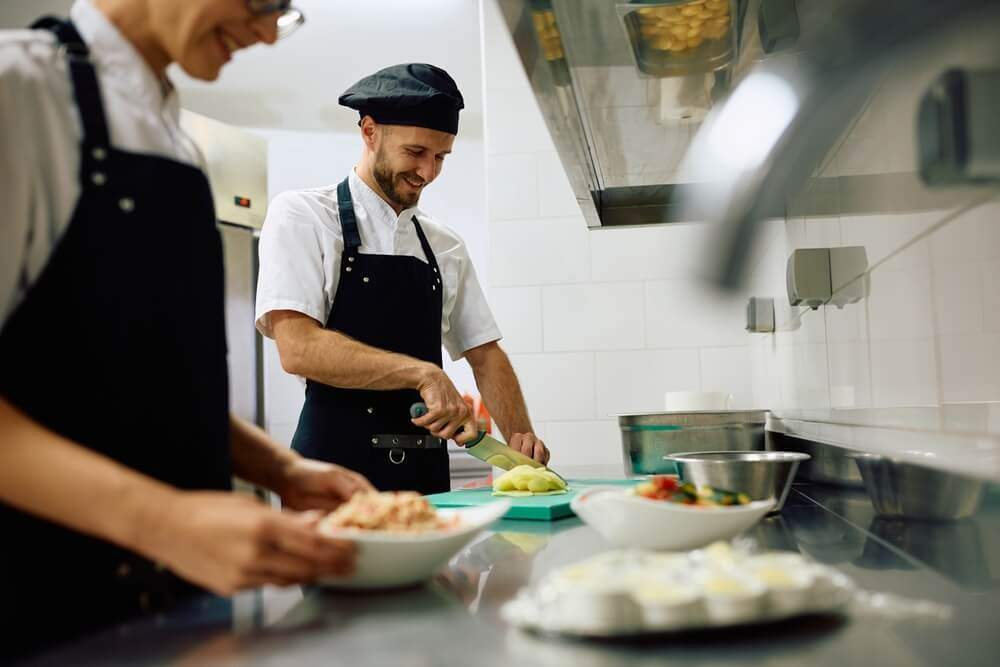
In New Orleans, for example, private dining club, Common House, offers its members a unique dining experience with the option to enjoy meals solo, with friends, or join others at a communal table. Members often find enjoyment in the refreshing departure from traditional Orleans dishes, offering a diverse range of global flavors, curated by executive chef Eason Barksdale.
For those seeking an even more exclusive experience, there's Chef2Nite, a platform founded by Miami real estate entrepreneur Kelly Lyles Verstappen, that provides a personal chef for home or travel. The platform allows hosts to enjoy their guests without the worry of cooking or cleaning. According to Verstappen, demand for such platforms is growing, with the private dining market expected to reach $27.5 billion by 2033, worldwide.
Even as the economy faces challenges, the luxury dining sector remains solid. For many, the appeal is not about money, but the experience itself, Verstappen concludes.