Discover the Secret Behind Decadent Taiwanese Mongolian Beef
- Apr 16, 2026
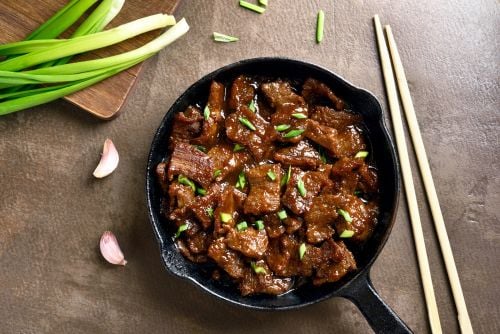
Despite its name, Mongolian beef isn't actually from Mongolia. In fact, it has its roots in Taiwan, having been developed there around the 1950s when Mongolian barbecue restaurants were gaining popularity. Currently, the dish is a mainstay in numerous Chinese American restaurant menus.
This recipe was masterminded by renowned food blogger and published author Cathy Erway. She has successfully managed to deliver a flavorful and tender Mongolian beef without necessitating deep frying or extended marinating periods. The entirety of the procedure – frying thin flank steak slices, stirring in a concoction of ginger, onion, and refreshing celery, and serving upon a bed of fluffy, steamed rice – takes only about 30 minutes.
Unlocking the secret to restaurant-quality Mongolian beef lies in a technique known as velveting. Central to this technique is a cornstarch-based marinade coat that safeguards the meat against intensely high heat. For this recipe iteration, a sprinkling of baking soda is blended into the cornstarch to tenderize the beef marginally ahead of cooking in an extremely hot wok or skillet. This prompt process retains the steak's succulent and smooth texture while promoting deeper browning – the perfect consistency for an excellent stir-fry.
The true distinguishing factor for this dish, however, is its savory sauce. The Taiwanese soy paste, integrated with soy sauce and fresh ginger, lends a polished finish and well-rounded depth to the mix. This impressive homemade version promises a quick and superior alternative to takeaway.
Taiwanese soy paste, or jiang you gao, is a thick seasoning made by stewing soy sauce and a thickening agent, typically glutinous rice flour, although some factory-produced variants may contain other thickeners like cornstarch. The thick sauce also often contains sugar for mild sweetness. It bears textual resemblance to Cantonese oyster sauce, albeit with a milder and less sea-like flavor.
To complement this homemade takeout menu favorite, pair it with a medium-bodied Pinot Noir with a touch of spice, like Résonance from the Willamette Valley.