The Dying Art of Hand Riddling: A Wine Tradition at Risk
- Oct 20, 2026
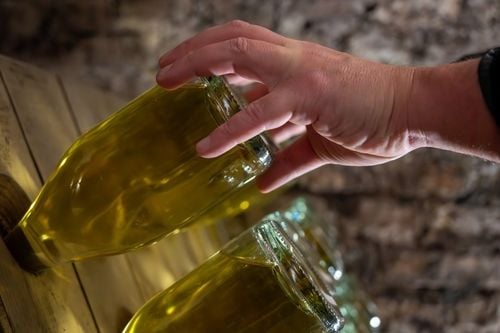
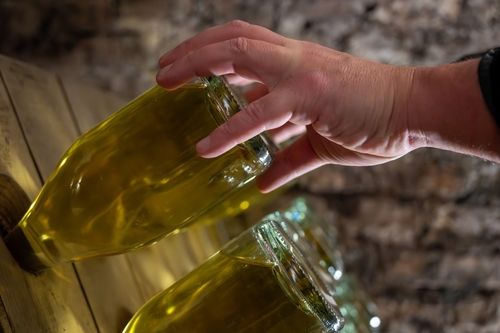
Deep in the heart of a dimly lit wine cellar, Mauro Ferrero skillfully turns rows and rows of Asti Spumante sparkling wine bottles set at a precise angle. Engaged in a rhythm akin to playing an instrument, Ferrero weaves his magic as a professional hand riddler at Contratto Winery, bringing over half-a-century of experience to bear.
The craft of hand riddling ensures that the sediment in the sparkling wine bottles gathers neatly in the neck. It's a subtle art that demands exacting motions performed each day – a part of the traditional "metodo classico," a technique dating back to 1865, initiated by Carlo Gancia in Piedmont, Italy.
This meticulous handwork, however, has modern alternatives. A large number of winemakers now deploy automated systems like gyropalettes that offer speed, economy, and labor freedom. Of the 220 wineries crafting Asti Spumante, only ten use the traditional method, and just three employ a professional riddler.
The art and cultural heritage of hand riddling, almost second nature to Ferrero, might become lost, unless the baton is passed to the new generation through proper training and mentorship. The process is a slow and patient affair, taking a month on average to complete. If done by machine, however, the same work could be accomplished in just seven days.
Before riddling can begin, bottles undergo a special process, as explained by Elisa Musso, export manager for Contratto Winery. Bottles initially get a shake-up or a 'coup de poignet' to disturb the sediment, before they are put on the 'pupitre' (traditional wooden riddling racks) for about a week for the sediment to resettle. The objective is to gradually encourage the sediment to collect in the neck of the bottle, easily removable through disgorgement.
Though machines can mimic these motions and complete the task faster, a good hand riddler can move thousands of bottles in a single day. "Every day, I turn about 15,000 bottles, each one by around 1/8 of a turn," shares Ferrero. Keeping true to tradition is quite an integral part of some wineries' identities, which often drives their decision to maintain hand riddling.
For instance, Contratto Winery, located in Italy’s Piedmont region, heartland of Asti Spumante, sticks to hand riddling for all its bottles. Ferrero says, "It is a traditional technique that we have chosen to preserve across our production, because we believe that the care and attention involved are part of the identity of our wines."
That’s not the only reason some wineries choose hand riddling. It also offers an intimate connection to the wine and its evolution, helping inform decisions during its production. "Through this hands-on process, we gain a deeper understanding of each wine’s unique characteristics and its potential," asserts Mario Borgogno, winemaker and cellar coordinator for Casa Gancia.
Finding people intrigued by the technique isn’t difficult. What's hard is to find someone willing to dedicate the time and patience required to master the art. And, as the use of automated systems becomes widespread, opportunities to learn hand riddling are becoming more scarce.
Without the investment in training by wineries and sharing the knowledge from seasoned riddlers to the next generation, this skill could perish over time. Ferrero shares, "If we want hand riddling to have a future, we need to make it attractive to younger people, invest in training, and give them the opportunity to learn and eventually make the craft their own."