Yemen's Unique Beverage: Transforming Coffee Husks into Qishr
- Oct 14, 2026
Welcome to a home in Yemen, where within minutes you'll be offered a hot, amber-brown drink. Its faint bitterness could lead you to consider it a form of tea, or even coffee. However, as the warming ginger aroma permeates your senses, followed by hints of cinnamon and cloves, you'll realize this drink is something else. Qishr, as locals call it, is crafted from dried coffee husks, delivering a distinctive taste that's refreshing yet subtly bitter, with a light fruitiness underscored by spices.
Coffee beans, or rather seeds, nestled within the fruit of the Coffea plant, are what we often recognize as the source of our beloved coffee, explains Yemeni-American coffee entrepreneur, Mokhtar Alkhanshali. But beyond these beans lies a hidden treasure – the outer skin and fleshy pulp, which Yemeni people have turned into the riveting drink known as qishr.
Qishr doesn't neatly fit into Western classifications of tea or coffee. It dances exquisitely between both, being less formal than coffee and yet more traditional than tea. This everyday drink has its roots in Yemen's pivotal role in shaping coffee culture. It reflects a rich heritage where, in the latter half of the 16th century, the surge of coffee cultivation in Yemen's highlands established a bustling coffee economy.
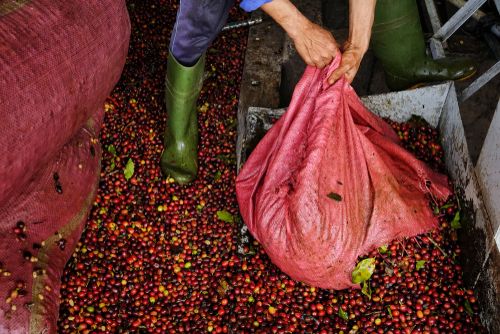
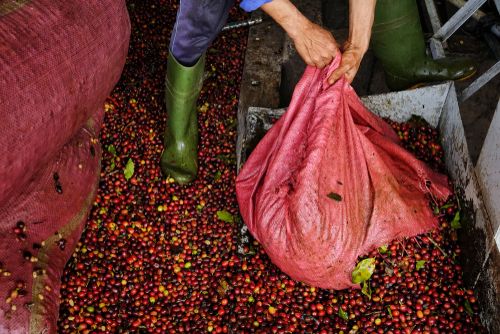
If beans were the face of this economy, the coffee husks were its unsung heroes. After harvest, coffee cherries were dried in the sun, their husks separated, and rather than being discarded, they were brewed with spices to create flavorful qishr, shares food writer Fatma Al-Baiti.
The caffeine content within coffee husks is lower than in coffee beans, and the concentration varies depending on the variety of coffee and brewing technique. The enticing character of qishr comes largely from the spices. Most essential are ginger and cinnamon, with some families adding cardamom or a pinch of clove for that extra hint of warmth.
Today, qishr's appeal remains steadfast in Yemen, where it's relished not merely as a coffee alternative, but as a cherished drink in its own right. Qishr's within-country availability has made it a household mainstay, served in homes and gatherings, and traditionally prescribed to women for 40 days post childbirth due to its perceived health advantages.
Known for its delightful pairing with dates due to their natural sweetness, qishr is also relished at breakfast served with malawah, a type of flaky flatbread, or sweet vermicelli known as balaleet. This diversity adds a personal touch to Qishr; exemplary of personal variations is Alkhanshali's grandmother who favored more cinnamon and less sugar or a friend's family in Taiz who added fresh mint to their brew for some freshness.
In recent times, newer versions of qishr have emerged, with Alkhanshali observing variations like qishr lattes and even qishr cocktails, particularly among Yemeni diaspora and in areas where Yemen's coffee culture overlaps the specialty coffee world.
Outside of Yemen, the wider specialty coffee industry has begun acknowledging the value of the coffee cherry, increasingly selling the dried outer layers under the Spanish term "cáscara". This renewed interest has stimulated economic progress in Yemen and created renewed demand for qishr.
Even as qishr gains wider attention, Alkhanshali hopes this newfound popularity won't sideline the traditional preparation method. To successfully create this unique drink, all one requires are coffee husks - available online or from specialized Yemeni or Middle Eastern grocers, and a pinch of patience.