A Sip of History: Xtabentún and the Ancient Maya Art of Beekeeping
- Oct 8, 2026
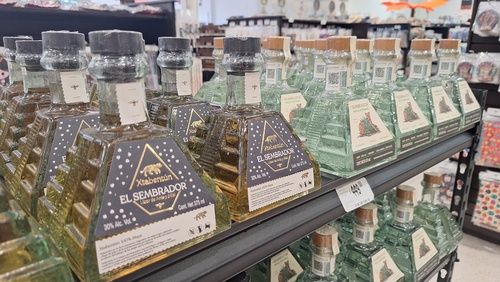
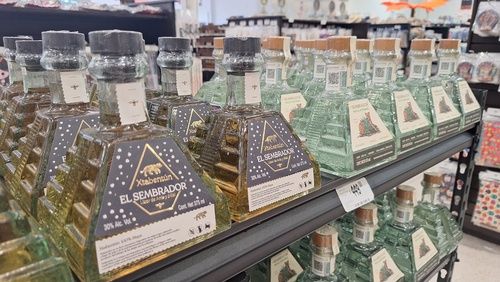
Jose Maria Góngora Escamilla, owner of Apícola Real Xtabentún, an apothecary in Mérida, Yucatán, reminisced about the old times when xtabentún, an anise and honey liqueur, was a popular drink consumed after dinner. Today, visitors still often request this traditional drink, akin to how one brings back tequila from Guadalajara. An elixir of rum, local honey, and a distinct scent of anise seed, it’s symbolic of the traditional beekeeping culture in Yucatán.
Góngora insists that xtabentún offers a rare glimpse into the extensive history of beekeeping in Yucatán, resonating with stories of the ancestral beverages of the Maya. The most ancient of these beverages is the balché, a fermented mead-like drink, with xtabentún coming second in cultural significance.
But this intoxicating liaison between honey and anise, amplified by rum, does more than just excite the tongue. Named after a local flower, Ipomoea corymbosa, or morning glory, the seeds of this flower have been ritually consumed for their psychoactive ergoline alkaloids by Indigenous people across Mexico. Although xtabentún the liquor contains none of these, the tale of its history and name is far more intriguing.
This aromatic potable first arrived in markets roughly a hundred years ago. Valladolid-based entrepreneur, Luis Sosa Novelo, blended honey, rum, and anise seed to concoct this drink that he termed “Xtabentún”. By the mid-1930s, it had secured its place alongside tequilas and rums on the shelves of Mexican sellers. The Sosa family continues to produce the beverage in Valladolid, and has been joined by other commercial brands like Casa D’Aristi and Yumbab, which also use the name Xtabentún.
Ana Karen Peniche, co-founder of Yumbab, notes a gradual move away from the Spanish anisado taste towards the local Yucatán honey. The narrative of xtabentún intertwines with that of another Maya beverage, balché, a potent mix of balché bark and Melipona honey prepared by María “Doña Nebi” Cruz, a Maya beekeeper and prodigious producer of balché.
Unlike the casual character of xtabentún, balché holds spiritual significance, used to communicate with spirits for diverse reasons including seeking the elusive good honey harvest. The link to honey deepens further, as Melipona honey is derived from stingless Melipona bees, native to and skillfully kept by the Maya within hollow tree-trunk hives (hobones) for over two millennia.
Dr. Elizabeth H. Paris, an expert on ancient Maya, explains that references to bees can be traced back to Maya's creation stories. Maya manuscripts from before the European conquest of the Americas also depict beekeeping rituals and related deities.
The key to the modern name of the Xtabentún liqueur lies in this historical tapestry. The Maya have long reared their hives near the blooms of the Xtabentún flower, curating a honey that is purely the nectar of this flower. Paris confirms that traces of Xtabentún DNA have been found in archaeological deposits dating around 200 BC, indicating its association with ritual practices.
However, the Xtabentún of the modern day is just a shadow of this tradition. In an era of mass production, local stingless bee honey cannot be utilized. However, traditional methods of beekeeping have remained unchanged for those maintaining the Melipona bees.
Padre Luis Armando exemplifies this traditional beekeeping line, cultivating over 500 hives at Meliponario U Naajil Yuum K'inn. The ebb and flow of ritual offerings made from their honey, and the delicate ecology is palpable in Maya beekeepers' practices. Cruz aptly says, "We are like caretakers of the bees."
However, these practices are endangered due to an influx of European honey bee species potentially outcompeting native species. Nevertheless, as long as the Maya continue to keep Melipona bees and prepare their honey, these ritualistic beverages will find their place in the Yucatán. Cruz notes, "They are free. They can leave. We cannot detain them. But while they are here, we need to give them something, an offering. It is balché."