Experience the Magic of Thai Iced Tea
- Oct 22, 2026
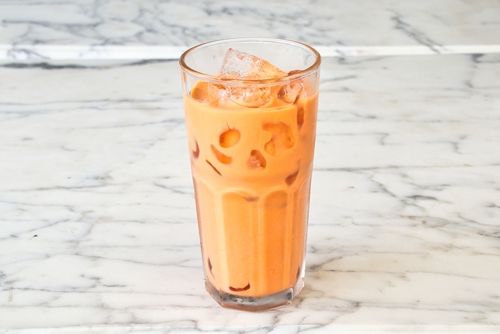
When I go to our family-owned Thai diner, Peppermint, my aunt is always ready with a glass of vibrant Thai iced tea. Locally known as “cha yen”, the eye-catching blend of evaporated milk and dark tea, forming a tie-dye whirlpool, captures the imagination almost as much as its rich sweet, milky taste delights the senses.
Collectively associated with Thailand, especially within Thai America, the tea tradition of this country is just as diverse as its varied food offerings. The nutritionally-rich soil, humid environment, and high altitude of areas like Chiang Mai and Chiang Rai in Northern Thailand, gives perfect terrain for the growth of several tea varieties, which include blue tea, oolong, and hibiscus tea.
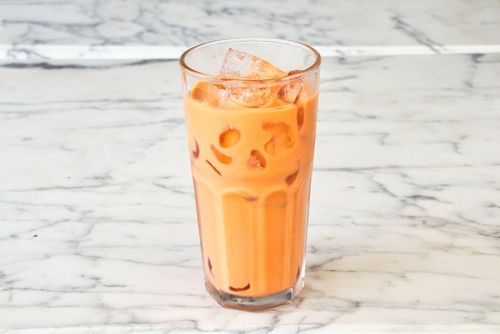
However, the quintessential image invoked by "Thai Tea" for most people, is the iconic bright orange glass. This distinctive beverage is birthed from a concoction of black tea, sugar, spices, layered with sweetened condensed milk or evaporated milk. Served chilled over ice or hot, it's quite a regular find at Thai eating establishments and street vendors across Thailand.
Growing up with Thai Tea, it’s fascinating to observe its expanding fanbase over recent years. With the beverage being introduced in varying forms such as cookies, used to flavor matcha, and making an appearance in menus worldwide, it’s reached a whole new level of popularity.
Interestingly, despite its close ties with Thai cuisine, Thai Tea is a relatively modern innovation. Chinese settlers arriving in Thailand in the 20th century, introduced tea and several of their tea rituals. Vendors started brewing strong black tea with anise, cardamom, and cinnamon, then sweetening it with Thai favorites like sweetened condensed milk and evaporated milk to mellow the tea’s bitterness. That iconic bright orange hue of Thai Tea? That’s actually a product of food dyeing.
To differentiate their teas in the mid-1940s market, vendors began adding artificial colorants into their teas. This strategy worked well, and soon, dyed tea became synonymous with Thai Tea we know today. Most recipes today commonly feature 'coloring' as optional, but you can easily use a pinch of turmeric for natural coloring - sans any dye, the tea presents a caramel-brown shade, identical to iced chai.
Thai Tea provides a delightful interplay of varied flavors and ingredients. The robust brewed black tea offers earthiness, the mix of cardamom, cinnamon, and star anise lends depth and aroma, while the sweetness of condensed milk adds a creamy balance. The end result is a beautiful drink with warm notes of caramel, honey, and malt.
Pre-packaged Thai Tea mixes can be purchased with the need for some water and milk. But homemade brews provide a richer experience. Start by brewing black tea with aromatic spices, let it cool, pour it over ice and top it with sweetened condensed milk, and voila! You have a delicious drink to serve in a jiffy.
You can also choose to keep things natural by replacing artificial food dye with a dash of turmeric for coloring. The result will be a more golden hue rather than a bright orange. If you're seeking a dairy-free option, sweetened condensed coconut milk makes a great alternative for traditional condensed milk.