A Whirlwind History of Winemaking in America
- Jul 22, 2026
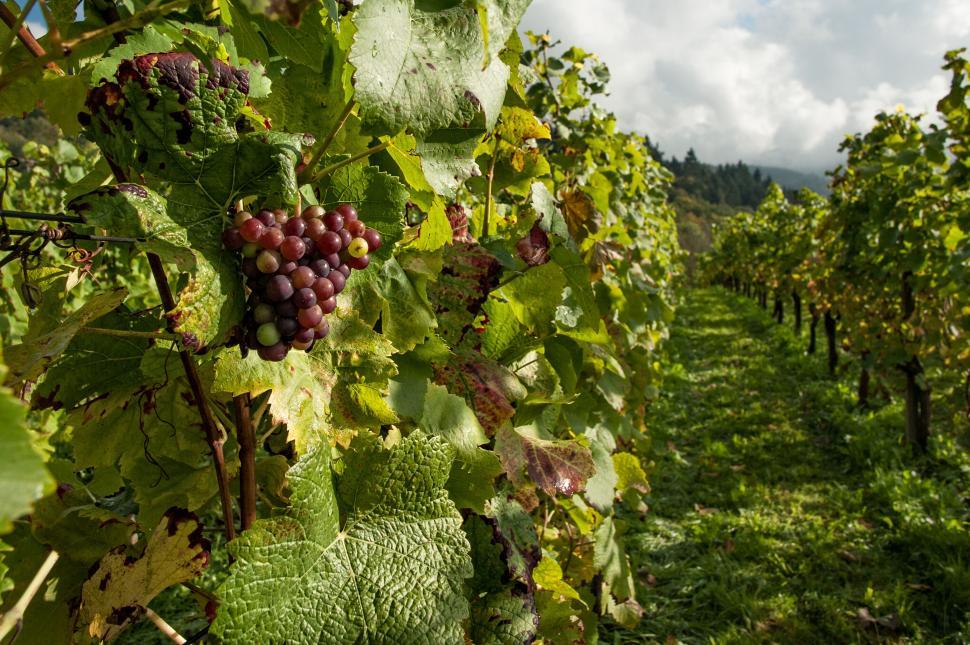
Wine has a fascinating, long history in America, beginning in Florida in the 1500s with French Huguenot immigrants and native Muscadine grapes. Despite a rocky start, the United States began to cultivate serious winemaking efforts in the 1800s, with wineries emerging throughout New York, Ohio, Missouri, and notably, California.
Before California's vineyards started reigning over the American wine landscape, it was the wineries in the East and Midwest that were the heart of the U.S wine production. Missouri's Stone Hill Winery, founded in the 1800s, is still operational today. The oldest surviving Vitis vinifera vines in the U.S. can be found in California at the Deaver Vineyards, a testimony to the vine's enduring journey and historic wine legacy. Vintners driving the wine history, include the charismatic Agoston Haraszthy of Buena Vista Winery, and Charles Krug, who founded the oldest still-operating winery in the Napa Valley.
Innovation continued in the wine sector with Ernest Wente's strategic moves to import fine-wine-grape cuttings from France, which spawned the Wente clone of Chardonnay, forming the backbone of 75% of all American-grown Chardonnay today. However, the road wasn't always smooth. The 18th Amendment, which prohibited all alcohol production, importation, and sales, led to the invention of dubious solutions like Vine-Glo and raised the popularity of generic wines.
The wine industry recovered with influential figures like André Tchelistcheff who restored fine winemaking in the U.S., armed with European techniques and a rigorous scientific approach. Meanwhile, Napa Valley Viners’ erected the most famous wine sign in the world, garnering significant attention to the U.S. wine industry. Konstantin Frank began introducing Vitis vinifera vines such as Pinot Noir and Riesling in New York's Finger Lakes region, marking the beginning of a higher-quality wine evolution.
In the 70s, the iconic Schramsberg Blanc de Blancs sparkling was part of a toast to peace that opened China-U.S. relations. California sparkling wines' reputation was cemented, rivaling that of the Champagne. The 80s was colored by a surprising turn of events where a fermentation glitch in the production of Sutter Home's White Zinfandel led to an unexpected hot seller, giving sweet pink wine its day in the sun.
In the 90s, Merlot experienced a meteoric rise, going from being an obscure varietal to a superstar at the start of the decade. The 2000s, on the other hand, saw a shift towards more ripeness and richness in wine, thanks to warmer vintages and a proclivity for more opulent reds.
In the 2010s, Chardonnay began gaining popularity, signaled by Kendall-Jackson's release of its Vintner’s Reserve Chardonnay. Around the same time, red blends started to outshine Cabernet Sauvignon as the best-selling wine, thanks to increasingly warm temperatures. In recent years, wine regions, particularly in Northern California, have been grappling with destructive wildfires, devastating losses, and damaged grapes. However, the resilient winemakers and vineyard owners have come back stronger, reaffirming the growing optimism in the industry for the future. Through its trials and triumphs, American winemaking has cultivated a rich, enduring legacy that continues to be an important historical and cultural pillar of the nation.