Champagne Flutes: A Killjoy for the Wine's True Flavors?
- Jun 12, 2026
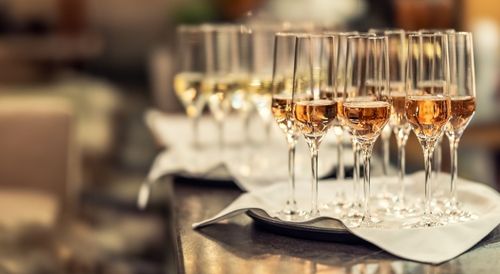
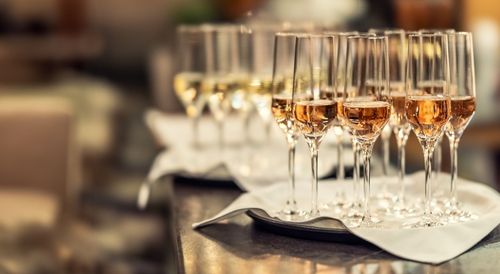
For years, Champagne flutes have served as the quintessential symbol of indulgence and celebrations - lean, tall, and shimmering with the allure of joy. However, to true connoisseurs of the elite vino, this conventionally acclaimed contour is more limiting than luxurious.
"First and foremost, Champagne is a wine," stakes Victoria James, the executive beverage director and partner at Gracious Hospitality Management, featuring global COTE Korean Steakhouse chains, and also a panelist at the Aspen Food & Wine Classic's Bubble & Crunch: A Champagne & Fried Chicken Marriage Made in Heaven. "A flute restrains the wine. It promises carbonation, but strips away a lot of the distinctive identity of the brand: the chalky charisma, the brioche essence, the notes of orchard fruit, the smoky flavor, and the saline touch."
James' preference leans towards a white wine glass - or even a Burgundy stem for vintage varietals - that allows the Champagne to "breathe and mature like a great wine." Her experience testifies that using wider glasses especially intensifies the senses for grower Champagne and older bottles. "A Champagne flute oversimplifies an intense wine," she observes. "An appropriate glass can help you appreciate the two decades worth of devotion that went into cultivating those vineyards."
The CEO of Riedel, a prestigious glassmaker, Maximilian Riedel concurs with James, having strived to shift consumers away from flutes due to their suppression of aromas. He explains that the constricted outline of the flute only spotlights the yeasty undertones from secondary fermentation, without allowing the beverage ample room to release the gamut of sensory delights that a high-quality Champagne can deliver.
Having conducted several sessions with reputed names like Dom Pérignon and Krug, Riedel's team fabricated a specialized Champagne glass that "facilitates the unraveling of complexity, minerality, fruit, and texture in a harmonious concert." Riedel promises an "aromatic and gustatory fireworks" with this design.
Similarly, at the Aspen seminar, fried chicken gets paired with Champagne, offering an unexpected yet skilfully designed conjunction. For James, the type of glass forms an integral part of the matching. She claims that a flute only lets you experience the 'refreshing' component of the Champagne. However, with a larger glass, one can actually start imagining the process of autolysis - when enzymes break down dead yeast cells, granting richness, creaminess, and elaborate aromas to the wine, making it more like a perfect sauce than a mere palate cleanser.
Texture plays a paramount role, too - an aspect that consumers often overlook with regards to glassware. In a flute, the mousse can feel harsh, almost prickly, because everything converges into one upward flow," James explains. "In a wider glass, the bubbles seem creamier and gentler. The wine assumes a more layered and textural form rather than plain fizzy."
Regardless of the industry's shift, James emphasizes that the transition away from flutes is far from snobbery - it’s about pleasure. “Outstanding Champagne evolves persistently in the glass, and that’s where the enjoyment of it lies,” she says. The shift from flutes ensures that Champagne can be enjoyed as part of the broader dining experience, not just special occasions, she highlights.
To those apprehensive that a broader bowl might "annihilate the bubbles," James hastily reassures: "If the Champagne is excellent, that’s not the outcome. The bubbles become finer, better incorporated, more sophisticated."
She likens savoring Champagne from a flute to hearing music through a phone speaker. “You can listen to the music alright. But what you lose is the depth, the bass, the ambiance,” she states. "A suitable wine glass enables Champagne to come alive as a multi-dimensional experience. And once people taste this difference, it becomes challenging for them to return to old habits."