Exploring the Resurgence of the Classic Daiquiri
- Jun 15, 2026
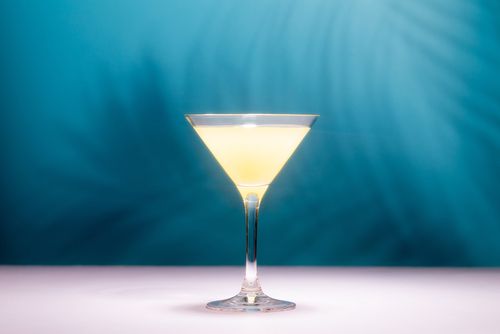
The humble Daiquiri takes pleasure in having a legacy filled with interesting twists that have shaped its current perception amongst cocktail lovers. The original cocktail was ingeniously crafted in 1898 by American engineer Jennings S. Cox in a Cuban mining town. Popular lore suggests that after a disappointing depletion of gin, Cox turned to the local white rum as an acceptable substitute, mixing it with lime and sugar over ice. The decision to christen the resulting concoction as Daiquiri was inspired by a nearby beach.
Almost three decades later, Constantino Ribalaigua Vert, a bartender at the famous bar El Floridita in Havana, added his own artistic touch to the classic recipe, creating a frozen variation that soon became a popular choice. Apart from the classic elements, Vert also added grapefruit and a dash of maraschino liqueur, to bring a complex and sweet edge to the recipe. This version, known as Hemingway Daiquiri, was a hit with El Floridita’s regular customer, Ernest Hemingway, who liked his own twist called the Papa Doble, featuring a double shot of rum with just a sprinkle of sugar.
Decades later, in 1948, the Daiquiri was crowned as one of the six essential cocktails in David A. Embury’s revered compilation, The Fine Art of Mixing Drinks. In the present era, the classic three-ingredient recipe has seen a rise in popularity, earning its place back on menus worldwide.
Luis Hernandez, a key player at New York City’s Hello Hello, likens the Daiquiri to an omelet in terms of its preparation. Just as an omelet can range from simple to extraordinary based on its ingredients, a well-made Daiquiri can be breathtaking. Hernandez vouches for home-crafted rum blends, containing three to five rums, as the key to a scrumptious Daiquiri. But he also recommends Ten to One rum, explaining that it provides a perfect balance, enhancing the cocktail without overpowering it.
Seirēn's co-owner, Elvis Rosario, also a NYC native, is a fan of Ten to One White Rum for making Daiquiris. Rosario appreciates the balanced nature of the spirit, which allows the fresh lime to truly shine in the cocktail. He believes that the simplicity of a Daiquiri can expose the skill level of the creator.
Jeff Bell, owner of several New York City bars, advises that a good Daiquiri needs a rum with enough structure and character. Meanwhile, Lou Bernard, from MITA Restaurant in D.C., also stresses the need for a rum that is clean and retains enough body. Bernard also remarks that Daiquiris are a great starting point for home bartenders due to their simplicity.
Jose Luis Leon, a co-owner of various bars in Mexico City, keeps his Daiquiris simple with Bacardí Carta Blanca due to its neutrality. However, for a unique spin on the classic drink, beverage director Nick Kanakaris at Aubrey’s Corner in New Jersey prefers a dark rum to add complexity.
Jovanie Ellis, a bartender at Bluefields Bay Villas & Suites in Jamaica, also opts for a darker rum such as Appleton Estate Signature. He emphasizes the importance of using fresh lime juice in the cocktail and suggests premium rum like the Appleton Estate 8 Year Old Reserve for a truly top-notch Daiquiri.
Papa’s Pilar Rum holds a special place in cocktail history due to its association with Ernest “Papa” Hemingway. At Kona Kai in San Diego, Ryan Wolf suggests making a Daiquiri with Papa’s Pilar rum to pay homage to Hemingway's enduring legacy of adventure.
For those looking for a department store rum option, Hemant Pathak at Room 207 in Manhattan endorses Bacardi Superior, which creates a solid backbone for the cocktail without making it overly rich.
Aspiring home bartenders looking to experiment with a richer rum style could try Ron del Barrilito 3 Star according to Bernard. On the other hand, Adam Baca at BOND Hospitality prefers white rum with a herbaceous edge, like Uruapan Charanda Blanco, for making Daiquiris.
As Baca rightly concludes, making sure the citrus is fresh is as important as selecting a high-quality rum when crafting your perfect Daiquiri.