South Indian Filter Coffee Brews a Trend in the U.S.
- Aug 2, 2026
Filter coffee, commonly known as "kaapi," is a morning staple for South Indians, and now, this frothy, milky elixir is stirring up a trend across the U.S. The smell of filter coffee lured Praveena Sundarraj, founder of Atlanta-based Raani Coffee Roasters, into opening a café devoted to the brew. The intoxicating scent from her childhood in Ooty, a South Indian mountain town, served as her inspiration. She coined the experience as a personal and grounding escape.
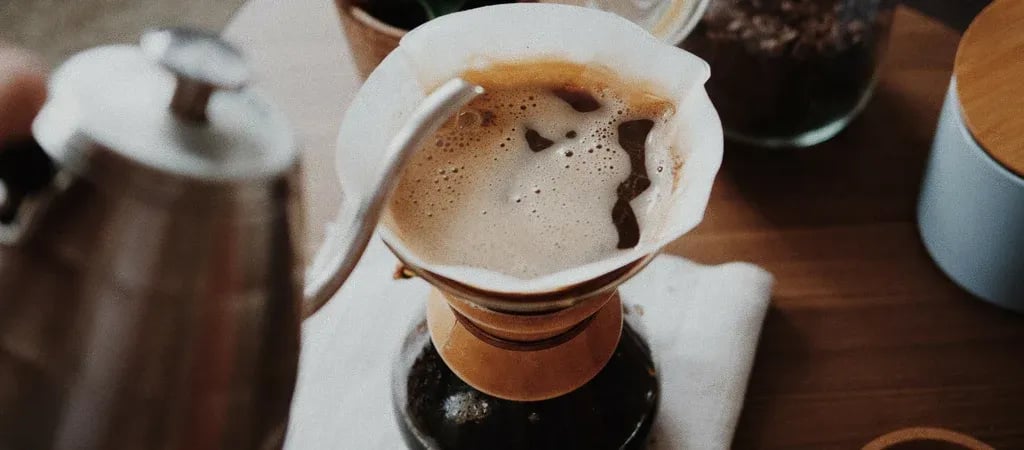
Once mainly brewed in South India, filter coffee has now become a national favorite, while in America, business ventures like Sundarraj's café contribute to its blossoming popularity. The traditional brewing process is meticulous, employing a slow-drip filter fashioned out of brass, copper, or stainless steel. This method creates a concentrated coffee extract, the coffee decoction, as the basis for the filter coffee.
The brewing contraption consists of four parts; the top chamber housing the coffee grounds, a plunger to compress them, a lid, and a bottom chamber to collect the brewed decoction. The hot water, poured onto the plunger residing in the top compartment, is left to seep through for 15–20 minutes per serving.
Lavanya Avinash, the co-founder of Sri Ramana Coffee Works in Bangalore, South Indian capital of Karnataka, uses a double-brew technique for her special blend. She lets 1.75 ounces of water drip over her 10-50 milligrams of coffee grounds for five minutes, lets the concoction sit, and repeats the process. She then combines the decoctions (sometimes a third one for larger batches) for her signature flavor. The addition of either sugar or jaggery (cane sugar and sap mix) to the boiling milk, and pouring it into the coffee, counteracts the bitterness of the black brew.
Filter coffee traditionally uses a blend of robusta and chicory, offering a toasty, full-bodied flavor with hints of caramel. Avinash notes that the coffee-to-chicory ratio can differ, but suggests a 70-30 mix for a classic "filter coffee kick". The prepared coffee is served in a deep, wide bowl known as a dabara, and a tall tumbler, typically made of brass or stainless steel. Frothy bubbles are formed by pouring the hot coffee back and forth between the two items. It is then slurped from the dabara to fully appreciate its flavor. As Avinish explains, "filter coffee is not just coffee, it's an emotion.”
Tales of the birth of coffee in South India center around a Sufi saint who smuggled seven coffee beans from Yemen in the 17th century, which were eventually planted in the hills of Chikkamagaluru. The use of chicory was possibly introduced by the British Army during coffee shortages in the early 20th century. The origins of the drip-style brewing remain a mystery.
Despite its unclear beginnings, the filter coffee ritual has been passed down through generations. Communal gatherings in the kitchen were a fitting setting for Sundarraj’s early exposure to the brew. Dipping snacks into coffee was a part of a cherished tradition.
The simplicity of a "humble filter" appeals to Varshi Srinivas, founder of No Filter Kaapi Klub, a pop-up café in San Francisco, who views filter coffee as an inherited legacy. The versatile device is a generational treasure, with its lifespan often surpassing that of its users.
Lately, South Indian filter coffee is finding its place in U.S. coffee culture. Cafés and pop-up stores are emerging, driven by individuals with strong South Indian roots. Even established South Indian coffee brands like Narasu's Coffee, dating back to 1926, have seen growth in their North American sales.
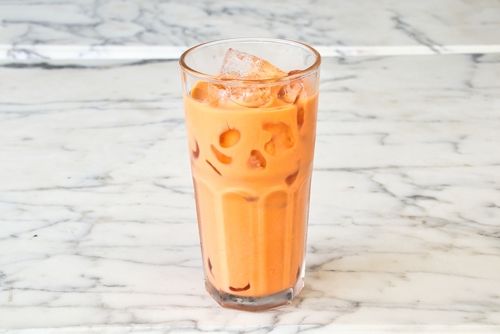
In Sundarraj’s Atlanta-based café, both hot and iced Madras Kaapi are bestsellers, yet the hot variety is more in demand. The coffee is “pulled” through the air from the tumbler into the dabara before serving – a process Sundarraj believes heightens the overall experience. With the onset of winter, they were selling 200 filter coffees a day, causing short supply breaks but customers would patiently await the next batch.
Divya Raghavan, a cybersecurity engineer in Atlanta, plans on expanding her filter coffee pop-ups, CoffeeKiRani throughout the states. In San Francisco, Srinivas is experimenting with new takes on the traditional beverage, even serving an oat milk version for a dairy-free alternative.
Filter coffee has even made its way into Michelin-starred establishments. Tamil Nadu-native and James Beard Award-winning chef Vijaya Kumar, features a filter coffee-infused whiskey cocktail in his New York City eatery, Semma. Kumar’s cocktail has quickly morphed into a crowd-pleaser, cementing filter coffee's place in mainstream U.S. tastes.
"What I find most rewarding is people not necessarily connected to South India trying kaapi for the first time enthusiastically and being curious about it. It’s an enthralling time for this venture," observes Srinivas.