The Art and Science of Pour-Over Coffee: A Choose-Your-Adventure Experience
- Jun 8, 2026
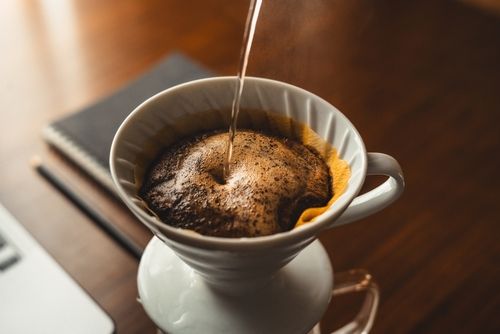
Brewing coffee is indeed a daily ritual for many, but the pour-over method elevates it to a new level. Pour-over coffee is created by manually pouring hot water over coffee grounds, allowing them to brew before filtering the water into your cup. This method sprouted from German inventor Amalie Auguste Melitta Bentz's dissatisfaction with the bitter, overbearing coffee that percolators produced. Bentz improved coffee brewing by designing an original two-part filtration system, launching the Melitta company in 1908. The pour-over method caught the attention of Japan's Cafe 'kissaten' during the third-wave coffee movement around the 1970s, adding a dimension of craftmanship and quality-focus to it. According to James Freeman, Blue Bottle Coffee's founder, the sensory experience of the pour-over method, right from grinding the beans to brewing the coffee is unique and irreplaceable. Freeman, a devotee of Japanese coffee culture, inspires the creation of an eight-course tasting menu at Blue Bottle Studio, without the use of any machines. For founder and CEO of Port of Mokha, Mokhtar Alkhanshali, there's a charm in making coffee that transcends mechanical speed and convenience. He sees in the process a contemplative, peaceful ritual that prepares him for the day. Allowing for significant control of the extraction process, the pour-over method bridges the gap between professionals and home brewers, says Christian Bak, winner of The April Brewers Cup Hong Kong. When you adopt this method at home, a whole world of possibilities opens up. You can support your local roaster and café, or get quality beans from across the globe. A coffee subscription might be your ticket to a world tour. It is common to keep the beans fresh in a vacuum-seal container. The size of the grind plays a crucial role in the flavor of the brew. According to Bak, it lets you taste the 'terroir' notes and fruity qualities of the coffee. Therefore, investing in a good hand or electric grinder is well-advised. Two hand grinder options from 1Zpresso come highly recommended. The importance of precision in pour-overs warrants an investment in a scale too. Similarly, since coffee is mainly water, you need to understand the quality of your water. In places with hard water or other unwanted tastes and odors, water filters can make a difference. In Los Angeles, where hard water is a challenge, Blue Bottle Venice manager Selina Viguera recommends using distilled water remineralized with a coffee product like Third Wave Water. Your pour-over coffee recipe could range from using water heated to between 195°F and 205°F. An electric kettle with a temperature gauge can aid in attaining specific water temperatures, while without a gauge, waiting for about 30 seconds after boiling the water should bring it down to a suitable temperature. The one-piece Chemex, the cone-shape Japanese V60, and the Blue Bottle flat-bottom design are some popular brew tools. The choice ultimately depends on your preference of convenience, ease of learning, and forgiveness of errors. To brew a cup of coffee, a general guideline suggests 20 grams of ground coffee to 300 grams of water (for a 1:15 ratio). You should start pouring water such that it weighs twice the amount of the coffee grounds initially to release gases from the coffee grounds. The pouring should continue with breaks and gentle swirling of the coffee until the desired ratio is reached with a flat bed of wet coffee at the end. Now go, create your perfect cup.