Baking Basics: A Guide to Flour Varieties and Home Bread-Making
- May 15, 2026
Baking bread at home can be as simple as gathering up some basic items likely already in your kitchen. But, if you find yourself contemplating the variety of flour in front of you at the grocery store, uncertain of the best choice, don't worry. This article aims to provide a straightforward explanation of the different types of flour and which baked goods they're optimal for.
To get the best baking results, it's recommended to weigh your ingredients using a food scale, as opposed to using a measuring cup or spoon. This practice ensures exact measurements, allowing your recipes to consistently yield the same outcome.
There's a world of delight in homemade bread, which you can create with just a handful of ingredients. However, before you begin, it's essential to understand the best flour to use for your recipe. While all-purpose flour is often the default choice, it might not always be the ideal one. The key distinction between flour varieties lies in their protein content, which impacts the amount of gluten the flour develops.
If a recipe calls for cake flour in making a cake or scones and you don't have any, don't worry! You can produce your own cake flour at home.
In terms of the baking process, while a mixer or a food processor may be used to prepare the bread, it can just as well be done by hand. Begin by combining the yeast, sugar, and warm water in a large bowl. Allow the mixture a few minutes to foam and bubble before adding salt and whisking to combine. Then, mix in the flour until dough forms.
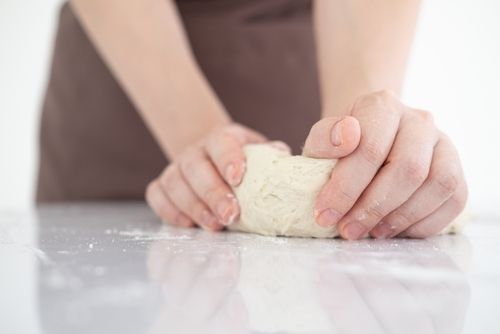
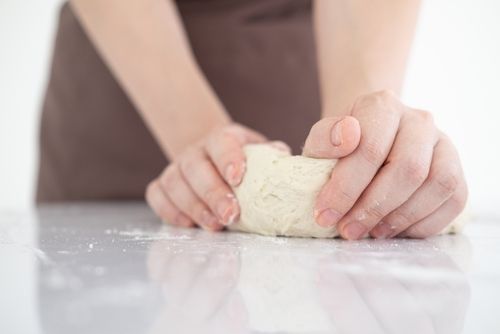
Once your dough is formed, knead it on a floured surface for a few minutes. Pro-tip: A dusting of flour on your hands helps manage the sticky dough. Afterward, place the kneaded dough into a greased bread pan, gently spreading it around to fill the pan uniformly. Cover the pan with a dish towel or cling wrap and let the dough rise until it's doubled in size.
Finally, bake your bread at 350ºF until it turns a lovely golden brown.
Remember, our editors, holding editorial independence, meticulously select our recommendations. Occasionally, our content may include paid support from a third party, but our decisions remain unbiased. By purchasing through our links, you may contribute to the USA TODAY Network earning a commission. Please note that prices and availability may vary.