Black vs. Green Olives: What's the Difference?
- Jul 20, 2026
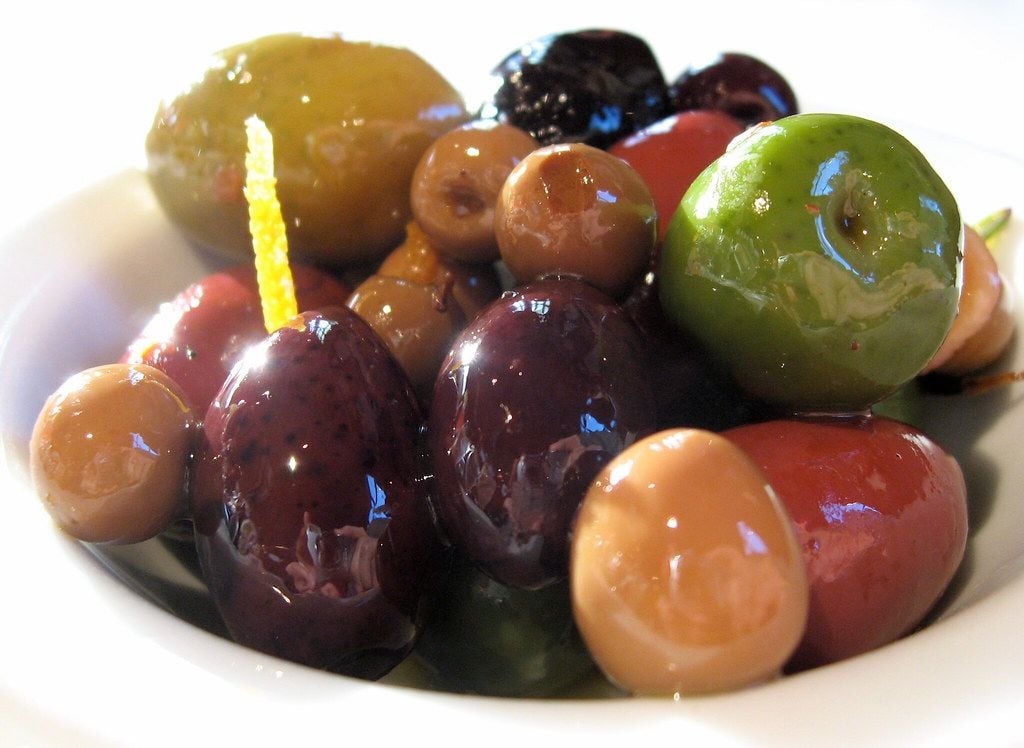
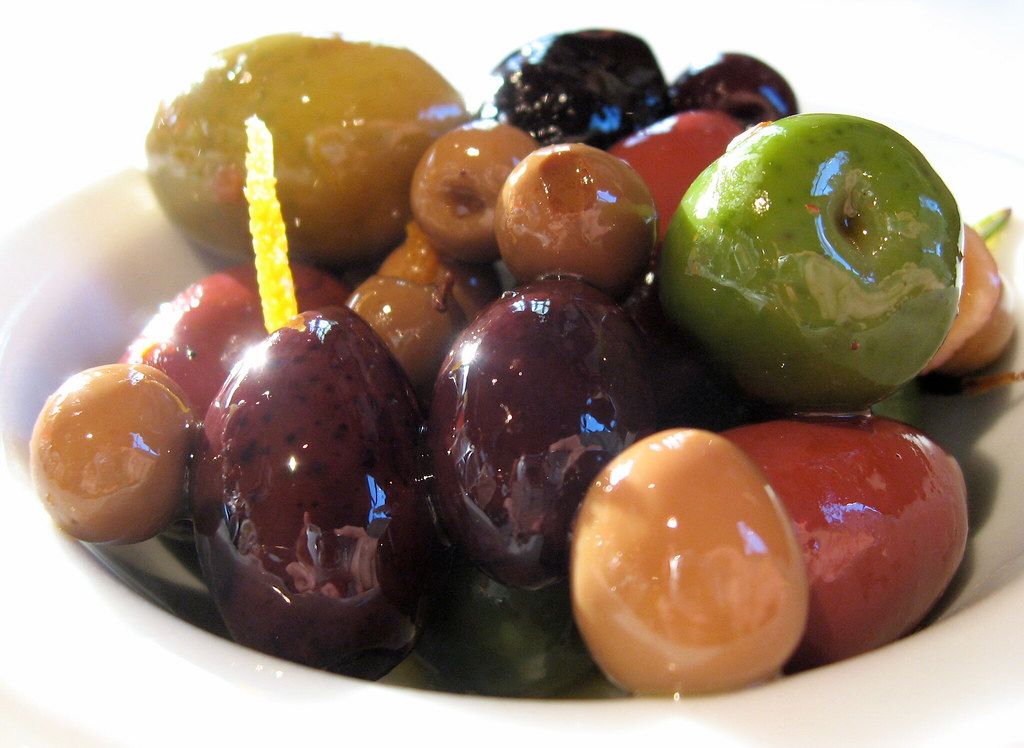
From being a staple in charcuterie boards and pizzas to side salads and pasta dishes, the olive has secured its position in various cuisines and culinary creations. Having an intimate association with human diets for several millennia, today, olives enjoy widespread popularity attributable to their unique taste, versatility, and the dietary benefits they deliver, particularly in the context of the Mediterranean diet. What many consumers may be less aware of, however, is the subtle yet intriguing differences between black and green olives.
According to Erin Palinski-Wade, a New Jersey-based registered dietitian and author, black and green olives are ordinarily the same fruit, with their color variation being determined by the maturity at the time of harvest. Green olives, harvested while full-sized but prior to changing color, become black olives if left to ripen and darken on the trees. The ripening process enriches the olive's oil content, softens its texture and makes its taste milder and less bitter – a natural trait due to the presence of compounds called oleuropeins.
Palinski-Wade cautions that freshly harvested olives, regardless of their color, are seldom consumed directly due to said factors. Furthermore, she elucidates that the black olives commonly found in North American cans aren't ripened naturally on trees. They are frequently harvested green, then undergo processing techniques, fermentation or oxidation, to darken their color, not solely due to their inherent genetic attributes. On the contrary, naturally ripened black olives that usually offer a complex, richer flavor are primarily available at deli counters, specialty markets, and in jars.
Green olives are typically firmer with a brinier, peppery taste that slightly hints to bitterness. This sharp taste profile makes green olives ideal for appetizers, tapenades, charcuterie boards, and Mediterranean dishes. Simultaneously, the milder black olives are favored in salads, pizzas, and pastas.
Barbara Olendzki, a registered dietitian and an associate professor at the UMass Chan Medical School in Massachusetts, asserts that both black and green olives offer considerable nutritional value as a part of a balanced diet. However, the precise nutrient content differs based on variety and processing. The prized nutritional attributes of olives include monounsaturated fats, particularly oleic acid, effective in improving blood lipid profiles, reducing LDL oxidation and blood pressure levels. Both types of olives also offer fiber, which aids digestion and provides a feeling of fullness, while also providing vitamin E. Notably, green olives contain more vitamin E compared to black olives, reveals Palinski-Wade.
Interestingly, black olives are higher in iron content, fundamental to oxygen transportation in the body, and they also contain higher levels of antioxidant compounds due to prolonged ripening. Conversely, green olives retain more of the oleuropein compound, celebrated for its antioxidant and anti-inflammatory benefits, adds Olendzki.
Despite their nutritional merits, consideration needs to be given to the sodium content in olives. Health conditions like high blood pressure, heart failure, and kidney disease necessitate careful monitoring of sodium intake, cautions Olendzki. This caution is especially essential when consuming green olives, which contain about twice the amount of sodium as black olives, conveys Palinski-Wade.
From a nutritional standpoint, neither black nor green olives are decidedly healthier as both have essential nutritional benefits. Consequently, the choice between the two may commonly boil down to personal taste and texture preferences, concludes Palinski-Wade.