Is Sucralose a Sweet Sinner or Sugar Substitute Savior?
- Sep 1, 2026
You've likely encountered it in your preferred zero-calorie beverage or spotted it on tags of the happening desserts and sugar-substitute goods at your neighborhood grocery store. Given the vast collection of sweeteners available, it's easy to get bewildered, especially since all of them are not equally beneficial to health. This leads us to a pressing query raised by many: Is sucralose hazardous for your well-being?
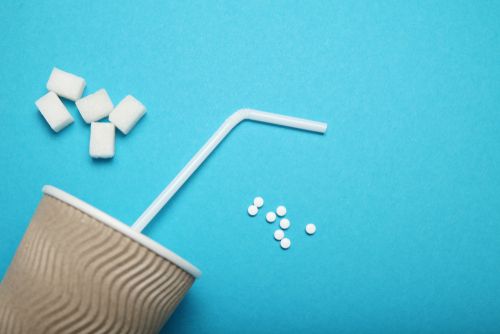
Sucralose, frequently marked as Splenda, is a synthetic sweetener with zero calories. Thanks to the chemical treatment during its production, it is considerably more saccharine than sugar. Besides being found in sugar-free confectioneries, carbonated drinks, and dairy items, you can use it instead of sugar when baking.
Katie Whitson, a registered dietitian with Health Loft in Denver, explains that "Sucralose is 600 times sweeter than sugar.” Made from sucrose-your standard table sugar-in 1976, the secret behind its zero-calorie charm is the structural alteration of the molecule which results in less absorption and metabolism in the human body.
Sucralose offers a feasible alternative to sugar for those who can't or won't abandon the sweetness altogether. For diabetics, it offers a sweet delight without causing a drastic spike in blood glucose concentrations.
“The pros are that it does not contribute additional calories or sugar to your diet. This makes it highly beneficial for weight regulation, substituting high-sugar products, and managing diabetes," states Whitson. Furthermore, she highlights that due to the intense sweetness of sucralose, you typically don't need to use it in large quantities.
However, since its approval as a sweetener by the U.S. Food and Drug Administration in 1998, it has fallen under scrutiny for potential impacts on the gut microbiome, metabolic health, and insulin reactivity.
"The studies that raise these worries, though, are based on animals,", clarifies Whitson. "The human studies are mainly brief, employ varying dosages, and yield inconsistent outcomes, thus forming definite conclusions becomes an uphill task." Whitson recommends being precautious of the fact that most animal-based researches involve higher dosages than what an average human would typically consume, generating varied results.
The ambiguities surrounding this sweetener call for further study, says Whitson. The general consensus, as it stands today, emphasizes that it is safe to consume as per the Food and Drug Administration. There is no urgent need to remove it from your diet if you find it instrumental in controlling your added sugar consumption.
If you're still on the fence about whether sucralose is suitable for your diet, Whitson suggests other substitutes, such as Stevia or Monk fruit. "They offer a similar level of sweetness and are plant-derived," she notes. "However, no single non-nutritive sweetener outperforms others. Research generally suggests selecting a product that you feel most at ease with and can endure," she concludes.