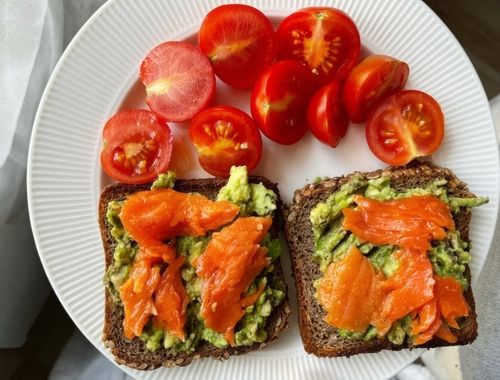

Sourdough Bread: The Trendy Loaf that’s More than Just Delicious
- Jul 19, 2026
Whether from a local farmer's market, an artisan bakery, or your own countertop, sourdough bread's distinct taste and texture has made it a clear favorite for many. This symbolic delicacy is savored in sandwiches, soup accompaniments, charcuterie boards, breakfast or pasta dishes, according to Mia Syn, a registered dietitian and author based in South Carolina. "Sourdough is celebrated for its tangy flavor, chewy feel, comprehensive taste that results from its slow fermentation, its rustic aesthetic, its airy inside, crisp crust and possible nutritional benefits," says Syn.
Sourdough bread, according to Jen Messer, registered dietitian and president of the New Hampshire Academy of Nutrition and Dietetics, is made through natural fermentation with a 'starter.' This is, as Syn clarifies, a blend of water and flour that allows natural wild yeast and beneficial bacteria to flourish over time. "These microorganisms slowly breakdown the carbohydrates in the flour, releasing carbon dioxide that causes the dough to rise, creating that unique tangy taste," Syn elucidates.
This fermentation process sets sourdough apart from many conventional breads, which are often made with commercial yeast to hasten the rising phase. Lactic acid bacteria, beneficial to the dough, also change its chemical composition during fermentation, breaking down some of the starch and proteins, including gluten, and extending the shelf life due to slowed mold growth.
Particularly when made with whole grains, sourdough may provide several health benefits. "Whole-grain sourdough contains beneficial fiber," states Messer. "Fermentation potentially makes fibers more available to the beneficial bacteria within your gut.” Moreover, sourdough has several B vitamins such as niacin and folate that help convert food into energy, and it offers minerals like iron and magnesium, which support muscle function and other health-related biochemical reactions respectively.
Messer mentions that fermentation can also enhance the body's ability to absorb these minerals. The process naturally degrades phytates in grains that could hinder mineral absorption. It can also lower FODMAPs, which are fermentable carbohydrates that can often be troublesome for people with digestive disorders.
While sourdough provides distinct advantages over processed breads, Syn warns it's essential to be aware of portions due to the presence of calories and carbohydrates. Equally important is the fact that even though some gluten content may be reduced during fermentation, it still won't be safe for individuals with celiac disease or severe gluten intolerance.
People with diabetes of blood sugar issues must also be cautious. "Despite fermentation potentially slowing starch digestion and reducing the glycemic index in comparison to other breads, large quantities of sourdough bread can still raise blood glucose," Syn alerts. Moreover, store-bought sourdough bread could contain added sugars and preservatives that may decrease its nutritional value.
Taking these observations into account, Messer says sourdough can complement a balanced diet, especially when it includes other nutrient-dense foods and is enjoyed in moderation.